लेखक: मैक्स कुरे
पापियों का धन संतों के लिए जमा किया गया है
वचनों पर आधारित एक सच्चाई, जो इतिहास के ज़रिए सामने आई है, और जो परमेश्वर के समय में प्रकट हो रही है
सच्चाई कोई बदलती हुई चीज़ नहीं है। नोआ वेबस्टर की 1828 की डिक्शनरी सच्चाई को इस तरह परिभाषित करती है: “तथ्य या वास्तविकता के अनुरूप; जो है, जो था, या जो होगा, उसके साथ सटीक तालमेल।” परमेश्वर के वचन को समझने के लिए यह अवधारणा महत्वपूर्ण है क्योंकि बाइबिल सिर्फ़ विचारों को रिकॉर्ड नहीं करती; यह वास्तविकता को वैसे दिखाती है जैसे परमेश्वर इसे परिभाषित करते हैं। वचन की सच्चाई, खासकर भविष्यवाणी की सच्चाई, राय के बजाय लंबे समय तक पूरी होने से साबित होती है।
ऐसी ही एक सच्चाई जो पूरे वचन में नियमित रूप से बुनी गई है, वह यह है कि दुष्टों का धन आखिरकार परमेश्वर की सर्वशक्तिमान योजना के अनुसार धर्मी लोगों के हाथों में आ जाता है।
परमेश्वर द्वारा स्थापित एक स्वरूप
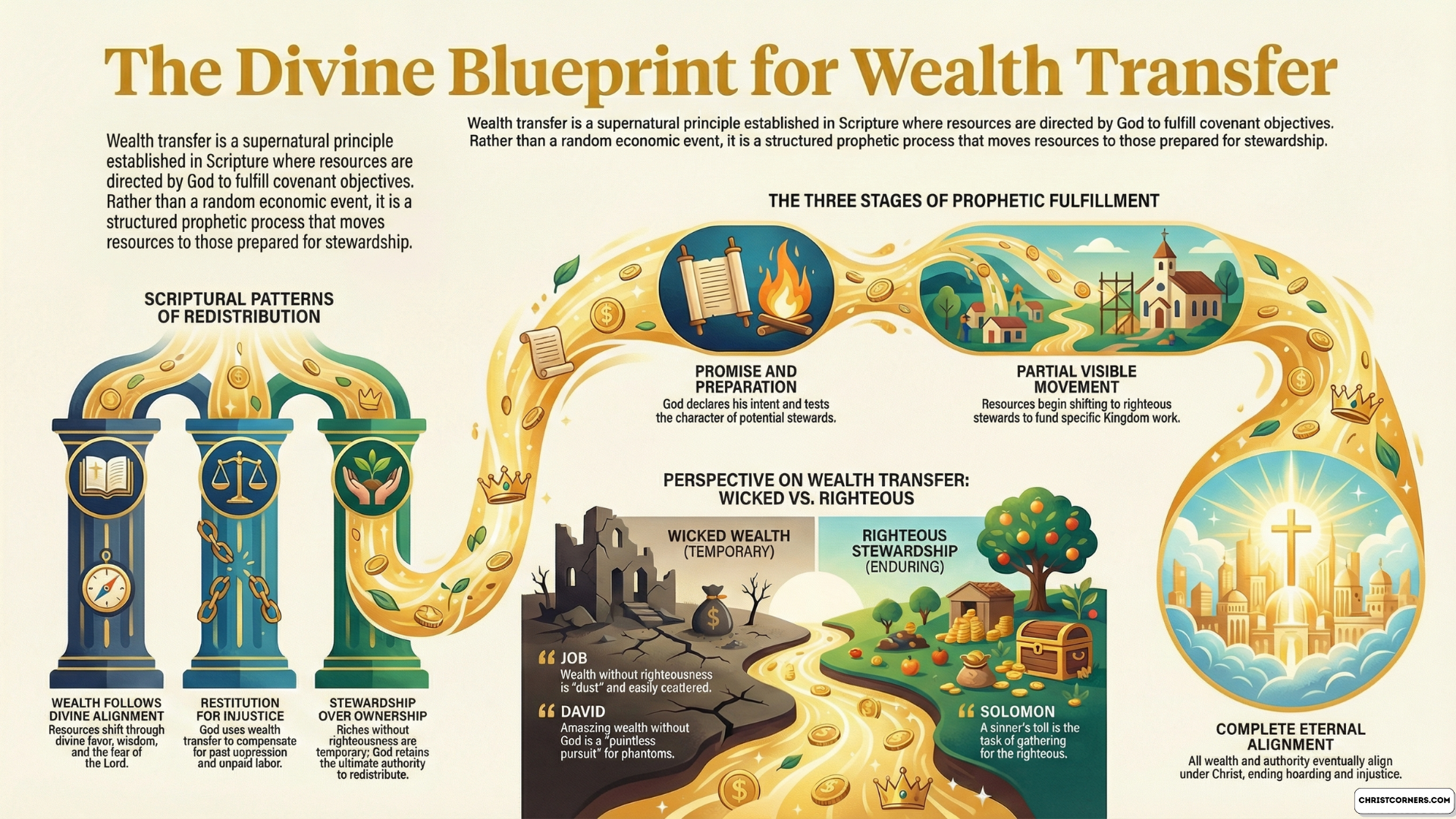
उत्पत्ति से लेकर भविष्यवक्ताओं तक, पवित्र शास्त्र लगातार एक अलौकिक सिद्धांत को उजागर करता है: धन का हस्तांतरण आध्यात्मिक और योजनाबद्ध होता है, न कि बेतरतीब, राजनीतिक या सिर्फ आर्थिक। परमेश्वर घटनाओं पर प्रतिक्रिया नहीं करते; बल्कि, वह परिणामों को नियंत्रित करते हैं। बाहरी लेन-देन के पीछे, एक अदृश्य हाथ संसाधनों को अपने वाचा के उद्देश्यों की ओर निर्देशित करता है। जब पवित्र शास्त्र में धन का ज़िक्र आता है, तो यह शायद ही कभी आराम के बारे में होता है; बल्कि, यह बुलावे, वाचा और परमेश्वर की योजना को पूरा करने के बारे में होता है।
– अबीमेलेक और अब्राहम: प्रभु के भय से धन की प्राप्ति
उत्पत्ति (20:14)
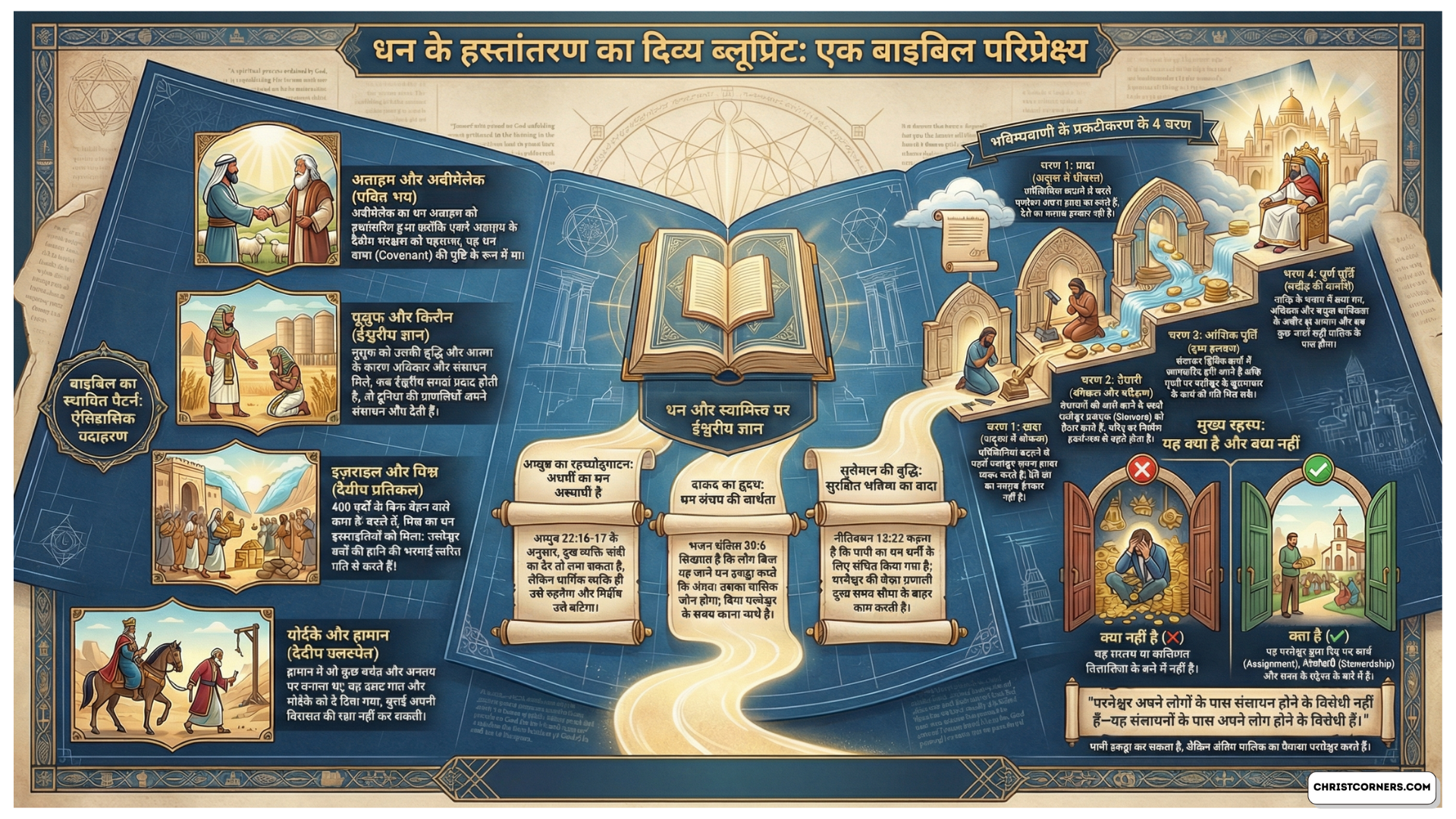
अबीमेलेक ने अब्राहम को जो धन दिया, वह इसलिए नहीं हुआ कि अब्राहम ने सफलतापूर्वक बातचीत की या रिफंड मांगा। यह तब हुआ जब परमेश्वर ने सपने में अबीमेलेक से संपर्क किया, जिससे उसके मन में पवित्र भय पैदा हुआ। अबीमेलेक ने अब्राहम की ईश्वरीय सुरक्षा को पहचाना, और धन मुआवजे और प्रशंसा के रूप में मिला। यह एक महत्वपूर्ण सिद्धांत दिखाता है: जब परमेश्वर नेक लोगों का साथ देता है, तो उन्हें सब कुछ मिलता है। धन का हस्तांतरण अब्राहम के साथ परमेश्वर की वाचा को मजबूत करने के लिए था, न कि उसकी पूर्णता के लिए इनाम। एक राजा के मन में प्रभु के भय ने उसे स्वेच्छा से अपना खजाना खोलने के लिए प्रेरित किया।
– फिरोन और यूसुफ़: दौलत ईश्वर की दी हुई समझ के पीछे से आती है
(उत्पत्ति 41: 42)
यूसुफ़ का प्रमोशन महत्वाकांक्षा, हेरफेर, या राजनीतिक साज़िश की वजह से नहीं हुआ था। यह ईश्वरीय ज्ञान और समझ से हुआ, जो सिर्फ़ ईश्वर ही दे सकते थे। जब फिरोन को पता चला कि यूसुफ़ के पास “ईश्वर की आत्मा” है, तो उसने तुरंत उसे अधिकार और दौलत दे दी। मुहर वाली अंगूठी, सुंदर कपड़े और पद हस्तांतरित शक्ति और संसाधनों का प्रतिनिधित्व करते थे। यह घटना दिखाती है कि कैसे ईश्वर समझ को देखकर दौलत को प्रेरित कर सकते हैं। जब सही समय पर ईश्वरीय समझ प्रकट होती है, तो दुनिया की व्यवस्थाएँ अपनी दौलत उन लोगों को सौंप देती हैं जिन्हें ईश्वर ने चुना है।
-मिस्र और इज़राइल: ज़ुल्म के बाद मुआवज़े के तौर पर दौलत
(निर्गमन 12:36.)
मिस्र की दौलत का इस्राइलियों लोगों को मिलना कोई मेहरबानी नहीं थी; यह न्याय था। 400 से ज़्यादा सालों तक, इज़राइल ने बिना पैसे के काम किया। जब परमेश्वर ने उन्हें आज़ाद कराया, तो उन्होंने यह पक्का किया कि उन्हें काफी कुछ मिले। पवित्र शास्त्र के अनुसार, मिस्र के लोग आसानी से मान गए क्योंकि प्रभु ने इस्राएलियों पर कृपा की थी। यह दिखाता है कि दौलत का ट्रांसफर दिव्य मुआवज़े का एक रूप हो सकता है। परमेश्वर बिना पैसे के किए गए काम, अनकहे दुख और टूटे हुए वादों को याद रखता है। जब आज़ादी का समय आता है, तो नुकसान के सालों की भरपाई के लिए इंतज़ाम तेज़ी से होता है।
– हामान और मोर्दकै: ईश्वरीय उलटफेर से धन-दौलत का हाथ बदलना
(एस्तेर 8:2.)
हामान ने परमेश्वर के लोगों को खत्म करने की साज़िश रचते हुए ताकत, इज़्ज़त और दौलत हासिल की। एक चौंकाने वाले उलटफेर में, उसने जो कुछ भी बनाया था, वह सब मोर्दकै को दे दिया गया, जिससे वह नफ़रत करता था। यह बदलाव दिखाता है कि बुराई अपनी विरासत की रक्षा नहीं कर सकती। जो चीज़ घमंड और अन्याय पर बनी होती है, वह अस्थिर होती है। परमेश्वर ने न सिर्फ हमले को रोका, बल्कि संसाधनों को फिर से बाँट भी दिया। यह एक डरावनी सच्चाई सिखाता है: दुश्मन जिसे खत्म करना चाहता है, परमेश्वर उसे अपने सेवकों के लिए सहारा बना सकता है।
– एक भविष्यवाणी वाली झलक, अलग-थलग घटनाएँ नहीं
पवित्र ग्रंथ में ये घटनाएँ अलग-थलग कहानियाँ नहीं हैं; बल्कि, वे परमेश्वर के नियंत्रण के पैटर्न को दिखाती हैं। हर मामले में, धन इसलिए बदला क्योंकि परमेश्वर ने इतिहास में दखल दिया, चाहे सपनों, कृपा, न्याय या उलटफेर के ज़रिए। इंसानी सिस्टम सिर्फ़ माध्यम थे; परमेश्वर ही स्रोत था। ये कहानियाँ भविष्यवाणी की तरह काम करती हैं, जो एक बड़ी सच्चाई की ओर इशारा करती हैं: परमेश्वर आखिरकार संसाधनों को नियंत्रित करता है और अपने समय में उन्हें धार्मिकता की ओर निर्देशित करता है।
सबक साफ़ है: दुष्ट लोग परमेश्वर के बिना जो कुछ भी जमा करते हैं, परमेश्वर उसे अपने उद्देश्यों के लिए सुरक्षित रखता है। इतिहास भटक नहीं रहा है। इसे निर्देशित किया जा रहा है।
अय्यूब का प्रकाशन: नेकी के बिना दौलत कुछ समय के लिए होती है
“भले ही वह चांदी को धूल की तरह और कपड़ों को मिट्टी के ढेर की तरह जमा करे,
जो कुछ वह जमा करता है, उसे नेक लोग पहनेंगे, और बेगुनाह लोग उसकी चांदी बांट लेंगे।”
— अय्यूब 27:16–17
अय्यूब का प्रकाशन इस बात की तह तक जाता है कि परमेश्वर दौलत और मालिकाना हक को कैसे देखते हैं। अय्यूब, आराम से नहीं बल्कि गहरे दर्द और आसमानी संपर्क से, यह ऐलान करता है कि बुरी तरह से कमाई गई दौलत, चाहे वह कितनी भी ज़्यादा हो या कितनी भी सावधानी से हासिल की गई हो, असल में कुछ समय के लिए ही होती है। जब वह कहता है कि बुरे लोग “चांदी को धूल की तरह जमा करते हैं,” तो वह हमेशा बने रहने और कंट्रोल के भ्रम को दिखाता है; धूल बहुत ज़्यादा होती है लेकिन आसानी से बिखर जाती है, और मिट्टी के कपड़े, भले ही ऊंचे ढेर में हों, नाजुक और टूटने वाले होते हैं। अय्यूब दिखाता है कि नेकी के बिना हासिल की गई दौलत पर हमेशा के लिए मालिकाना हक का कोई दावा नहीं होता। पापी के पास यह कुछ समय के लिए हो सकती है, लेकिन किस्मत मालिकाना हक तय करती है, जमा करना नहीं। परमेश्वर के सिस्टम में, जो चीज़ गलत तरीके से रखी गई है, उसे पहले ही भविष्य में ट्रांसफर के लिए तय कर दिया गया है—नेक लोग उसे पहनेंगे, जबकि बेगुनाह लोग उसे बांट लेंगे। यह सिर्फ़ काव्यात्मक न्याय नहीं है; यह ईश्वरीय कंट्रोल है। अय्यूब एक बड़ा नियम बताता है: परमेश्वर बुरे लोगों को इकट्ठा करने की इजाज़त देते हैं लेकिन दोबारा बांटने का अधिकार अपने पास रखते हैं। नेकी के बिना दौलत की कोई जड़, कोई वादा या कोई भविष्य नहीं होता; यह तब तक ही रहती है जब तक परमेश्वर द्वारा दोबारा बांटने का तय समय नहीं आ जाता।
दाविद का दिल: जमाखोरी की बेकारता
“निश्चित रूप से हर कोई सिर्फ़ एक परछाई की तरह घूमता है; वे बेकार में भाग-दौड़ करते हैं, धन जमा करते हैं बिना यह जाने कि आखिर में यह किसका होगा।”
— भजन 39:6
दाविद अब एक युवा योद्धा के रूप में नहीं बोल रहा है जो जीत चाहता है, बल्कि एक अनुभवी राजा के रूप में बोल रहा है जिसने शक्ति, धन, उपलब्धियों और नुकसान को जाना है। लोगों को “सिर्फ़ परछाई” कहकर, वह उस झूठे नियंत्रण के भ्रम को दिखाता है जो सांसारिक जीवन और चीज़ों के चारों ओर होता है—जो एक पल के लिए दिखता है, फिर खो जाता है। उसके बयान दिखाते हैं कि बेचैन होकर आगे बढ़ना ज्ञान के बजाय डर से प्रेरित होता है; लोग “भाग-दौड़ करते हैं” जैसे कि धन उनके जीवन की रक्षा कर सकता है, लेकिन वे कभी नहीं सोचते कि आखिर में उन्होंने जो बनाया है, उसका मालिक कौन होगा। दाविद एक मौलिक आध्यात्मिक सच्चाई बता रहा है: जो धन भगवान से जुड़ा नहीं है, उसका कोई स्थायी मूल्य नहीं है। यह मालिक के बाद भी रहता है, लेकिन उसका काम नहीं। लोग अपनी ऊर्जा खर्च करते हैं, अपनी शांति का त्याग करते हैं, और कभी-कभी अपनी आत्मा का भी, सिर्फ़ यह महसूस करने के लिए कि वे कभी सच्चे मालिक नहीं थे, बल्कि सिर्फ़ अस्थायी रखवाले थे। परमेश्वर के बिना, इकट्ठा करना एक बेकार की कोशिश है, और जमा करना किसी और के कल के लिए एक तैयारी बन जाता है। दाविद का ज्ञान समृद्धि के दिखावे को हटा देता है और हमें याद दिलाता है कि केवल वही चीज़ जिसका परमेश्वर के उद्देश्य से मेल होता है, उसका स्थायी मूल्य होता है।
बुद्धिमत्ता बनाम मूर्खता
“…लेकिन पापी की दौलत नेक लोगों के लिए जमा की जाती है।”
— नीतिवचन 13:22b
सुलेमान की यह बात खुशहाली के बारे में स्वर्ग की सोच और दुनिया में सफलता के स्टैंडर्ड के बीच के अंतर को दिखाती है। मूर्खता तुरंत चीज़ों पर कब्ज़ा करने पर फोकस करती है—जो तुरंत हासिल किया जा सके, इस्तेमाल किया जा सके और दिखाया जा सके—जबकि उसके सोर्स, इरादे या नतीजों को नज़रअंदाज़ करती है। लेकिन, बुद्धिमत्ता समय, सही इस्तेमाल और परमेश्वर की व्यवस्था को पहचानती है। जब सुलेमान कहते हैं कि “पापी की दौलत नेक लोगों के लिए बचाकर रखी जाती है,” तो उनका मतलब है कि दौलत एक मंज़िल नहीं बल्कि एक रास्ता है। बुरे लोग इसे थोड़े समय के लिए रख सकते हैं, लेकिन परमेश्वर इसका आखिरी फैसला करते हैं। नेक लोगों को कभी-कभी देरी होती हुई, नज़रअंदाज़ किया हुआ, या नुकसान में भी लग सकता है, लेकिन बुद्धिमत्ता मानती है कि परमेश्वर का हिसाब-किताब सिस्टम दिखाई देने वाले समय-सीमा से बाहर काम करता है। जो चीज़ गड़बड़ी लगती है, वह अक्सर तैयारी होती है। परमेश्वर के रिकॉर्ड में आने वाले लेन-देन, गुप्त समायोजन और आज़ादी के तय समय शामिल होते हैं। सुलेमान सिखाते हैं कि बिना अच्छे गुणों के मालिक होना कुछ समय के लिए होता है, लेकिन अच्छे गुण—भले ही तुरंत दौलत न मिले—परमेश्वर के सही समय पर एक वादा की गई विरासत पक्का करते हैं।
परमेश्वर के बिना मेहनत बेकार है
“जो मनुष्य परमेश्वर की दृष्टि में अच्छा है, उसको वह बुद्धि और ज्ञान और आनन्द देता है; परन्तु पापी को वह दु:खभरा काम ही देता है कि वह उसका देने के लिये संचय कर के ढेर लगाए जो परमेश्वर की दृष्टि में अच्छा हो। यह भी व्यर्थ और वायु को पकड़ना है॥”
— सभोपदेशक 2:26
सुलेमान इस मुश्किल सच्चाई को बताते हैं कि परमेश्वर की संतुष्टि के बिना काम आखिरकार बेकार है, चाहे वह कितना भी प्रोडक्टिव क्यों न दिखे। सभोपदेशक 2:26 में, एक दैवीय विडंबना सामने आती है: पापी कड़ी मेहनत करता है, योजनाएँ बनाता है, पैसे बचाता है, और चालें चलता है, यह मानते हुए कि धन व्यक्तिगत सुरक्षा या विरासत देता है, लेकिन परमेश्वर उस प्रयास को पूरी तरह से अलग नतीजा देते हैं। परमेश्वर उन्हें बुद्धि, समझ और खुशी देते हैं—असली अंदरूनी धन जो जीवन को अर्थ देता है—जो उन्हें खुश करते हैं, जबकि पापी को बाहरी समृद्धि की तलाश में खुद को थकाने देते हैं जिसका वह कभी भी सच में आनंद नहीं ले पाएगा या उस पर कब्ज़ा नहीं कर पाएगा। इस तरह, पापी अनजाने में परमेश्वर की योजना में एक उपकरण के रूप में काम करता है, ऐसे संसाधन इकट्ठा करता है जो उन लोगों को सौंप दिए जाएँगे जो परमेश्वर के मकसद का पालन करते हैं। परमेश्वर से जुड़ाव के बिना, धन अपना महत्व, खुशी और स्थिरता खो देता है; वे बिना संतुष्टि के अंतहीन गतिविधि, बिना आराम के श्रम, और बिना खुशी के उपलब्धि बन जाते हैं — सच में “हवा का पीछा करना।”
भविष्यवाणी चरणों में पूरी होती है
धन हस्तांतरण में परमेश्वर के समय को समझना
बुनियादी सच्चाई
“क्योंकि दर्शन अभी नियत समय के लिए है… यद्यपि उसमें देर हो, तो भी उसकी बाट जोहते रहना।”
— हबक्कूक 2:3
परमेश्वर प्रक्रिया से काम करता है, घबराहट से नहीं।
बाइबिल की भविष्यवाणी जल्दबाजी में, अनियमित या तुरंत नहीं होती—यह ईश्वरीय व्यवस्था के अनुसार सामने आती है।
प्रथम चरण: वादा — अनदेखी दुनिया में ऐलान किया गया
…लेकिन पापी की दौलत नेक लोगों के लिए जमा की जाती है।”
— नीतिवचन 13:22
यहाँ क्या होता है:
– अभी कुछ भी अलग नहीं दिखता—लेकिन स्वर्ग ने पहले ही फैसला कर लिया है
– हालात बदलने से पहले परमेश्वर अपनी मंशा बताते हैं
– सच्चाई आध्यात्मिक दुनिया में पक्की हो जाती है
“वादा हमेशा चीज़ मिलने से पहले आता है, देरी का मतलब इनकार नहीं होता।”
दूसरा चरण: तैयारी — सिधाई और परीक्षा
“अगर तुम अधर्मी धन के मामले में वफ़ादार नहीं रहे, तो सच्चा धन तुम्हारे भरोसे कौन सौंपेगा?”
— लूका 16:11
यहाँ क्या होता है:
– परमेश्वर मदद देने से पहले लोगों को तैयार करते हैं
– मकसद, विनम्रता और आज्ञाकारिता के लिए दिलों को परखा जाता है
– धन अभी भी नास्तिक लोगों के हाथों में हो सकता है, लेकिन उस पर पहले ही निशान लग चुका होता है
“परमेश्वर संसाधन देने से पहले प्रबंधक को तैयार करते हैं, चरित्र स्थानांतरण से पहले आता है।”
तीसरा चरण: आंशिक पूर्ति — दिखाई देने वाली हलचल
और राज्य का यह सुसमाचार पूरी दुनिया में प्रचार किया जाएगा… और तब अंत आएगा।”
— मत्ती 24:14
यहाँ क्या होता है:
– खास पलों में संसाधन बदलने लगते हैं
– नेक प्रबंधक तैयार किए जाते हैं
– धरती पर परमेश्वर के काम को आगे बढ़ाने के लिए मदद मिलती है
“ये संकेत हैं, अंतिम पूर्ति नहीं, परमेश्वर उसी चीज़ के लिए पैसे देता है जिसे वह पहले से तय करता है।”
चौथा चारण: पूरी पूर्ति — मसीह की वापसी
“आस-पास के सभी देशों की दौलत इकट्ठा की जाएगी।”
— जकर्याह 14:14
यहाँ क्या होता है:
– अब कोई दुरुपयोग, जमाखोरी या अन्याय नहीं होगा
– यीशु पूरी तरह और साफ़-साफ़ राज करेंगे
– सारी दौलत, अधिकार और प्रभुत्व धार्मिकता के तहत आ जाएँगे
“अस्थायी बदलाव एक अनंत राज्य की ओर इशारा करते हैं, सब कुछ मसीह के तहत अपने सही मालिक को मिल जाता है।”
मुख्य रहस्योद्घाटन
🚫 यह लालच के बारे में नहीं है
🚫 यह व्यक्तिगत विलासिता (पर्सनल लग्ज़री) के बारे में नहीं है
✅ यह कार्यभार के बारे में है
✅ यह ज़िम्मेदारी के बारे बारे में है
✅ यह राज्य के मकसद के बारे में है
“परमेश्वर संसाधन को चरणों में देते हैं क्योंकि वह सिर्फ़ उन्हीं को देते हैं जो उनका सही इस्तेमाल करने के लिए तैयार होते हैं।”
सच साफ़ है: दौलत बुरी नहीं है, लेकिन ज़िम्मेदारी पवित्र है। परमेश्वर को इस बात से कोई दिक्कत नहीं है कि उनके लोगों के पास संसाधन हों—उन्हें इस बात से दिक्कत है कि संसाधन उनके लोगों पर हावी हो जाएं।
पापी जमा कर सकता है, लेकिन आखिरी मालिक परमेश्वर तय करते हैं।
नेक लोग इंतज़ार कर सकते हैं, लेकिन परमेश्वर अपने वादे कभी नहीं भूलते।
यह सच सिर्फ़ ऐतिहासिक नहीं है।
यह भविष्यवाणी है।
और यह अभी भी सामने आ रहा है—अभी भी।